3 Things I Learned:
The Industrial Revolution started in England.
A lot of new inventions were created during the Industrial Revolution
Women were not allowed in mine shafts because they worked with minimal clothing on.
2 Things That Interested Me:
The conditions were perfect in England to spawn the Industrial Revolution.
Children did not have a choice whether they would go to school or work.
One Question I Still Have:
Since not everybody was fond of the Industrial Revolution like farmers, how and why did it spread so fast from England to all over Europe?
Tuesday, February 15, 2011

Spotlight on: Children of the Industrial Revolution
The children of Europe played a huge part in the industrialization procedure. The children provided a lot of the cheap labor for the factories and mines. Children were forced to not attend school and provide for their family. Their source of labor was cheap because they had no choice. Children were also forced to work in mines to extract the coal and iron from the ground in England. Eventually, laws were passed that benefited the children, but it was only minimal at first. Laws became more strict dealing with child labor laws, but they were not great. Children still had to work in dangerous factories. Education was only available for very young children.


United States Events and Connection Across Time
Thomas Paine writes Common Sense: Thomas Paine was a man from England living in America. He did not agree with the way that Britain was treating the colonists, so he wrote a pamphlet called Common Sense, published on January 10, 1776. The pamphlet was written to convince people to rebel against England and declare their independence. This pamphlet helped lead the revolutionaries into the American Revolution, which had a huge impact on the United States and England today.

The American Revolution: The thirteen British colonies in North America were getting tired of England treating them poorly, so they decided to rebel. The thirteen colonies declared their independence from England in 1776 and the American Revolution started shortly thereafter. While England was growing and expanding in industry, they were losing their colonies that would later become known as the United States. Today, the United States has grown from thirteen colonies to fifty states, and England is an ally with the U.S. The United States also trades its industrialized goods with England and vice versa.

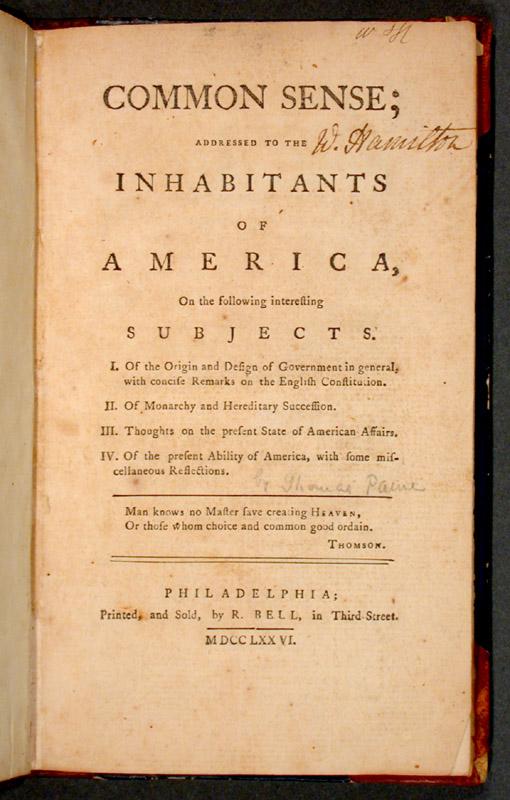
The American Revolution: The thirteen British colonies in North America were getting tired of England treating them poorly, so they decided to rebel. The thirteen colonies declared their independence from England in 1776 and the American Revolution started shortly thereafter. While England was growing and expanding in industry, they were losing their colonies that would later become known as the United States. Today, the United States has grown from thirteen colonies to fifty states, and England is an ally with the U.S. The United States also trades its industrialized goods with England and vice versa.

William Cockerill

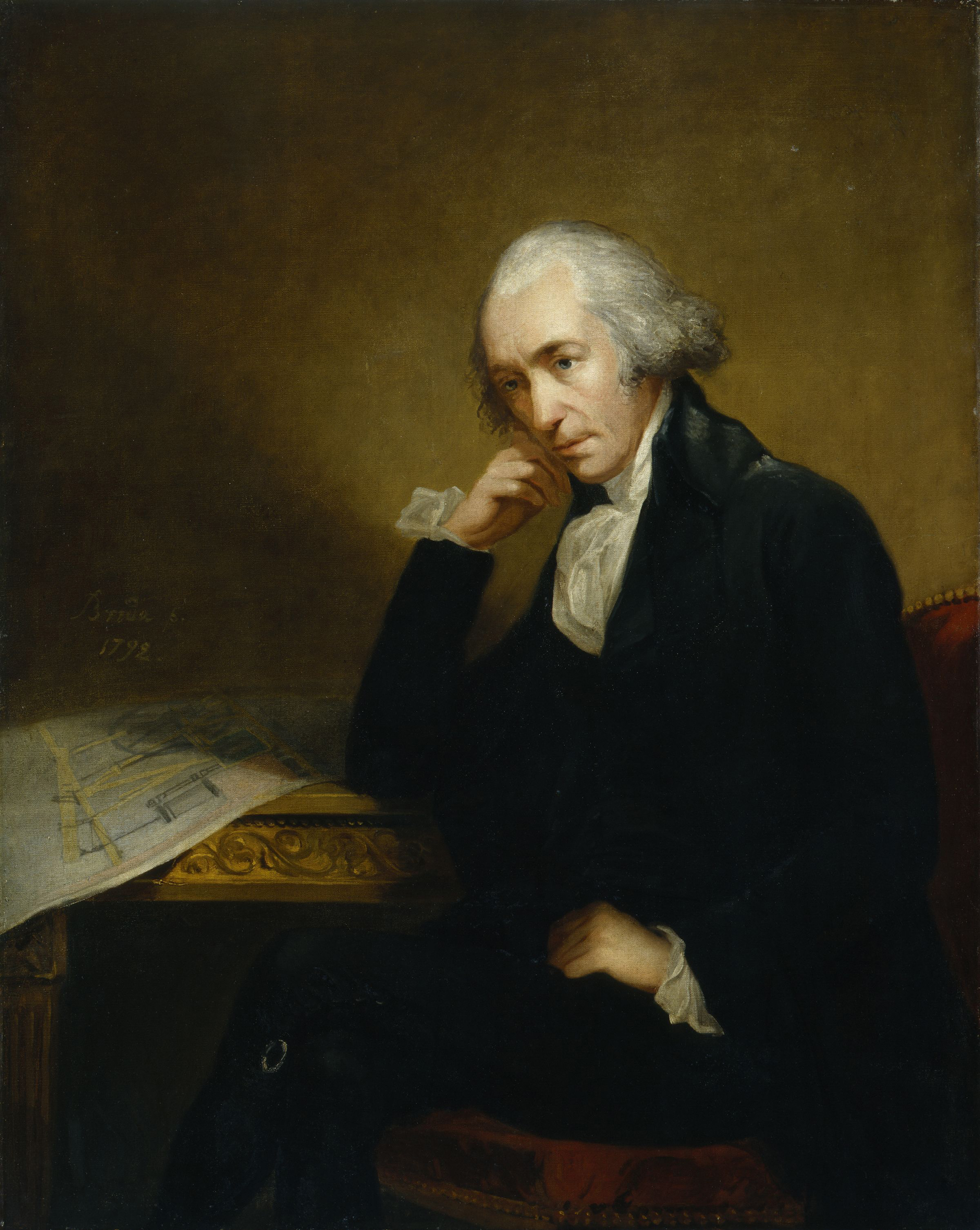
James Watt
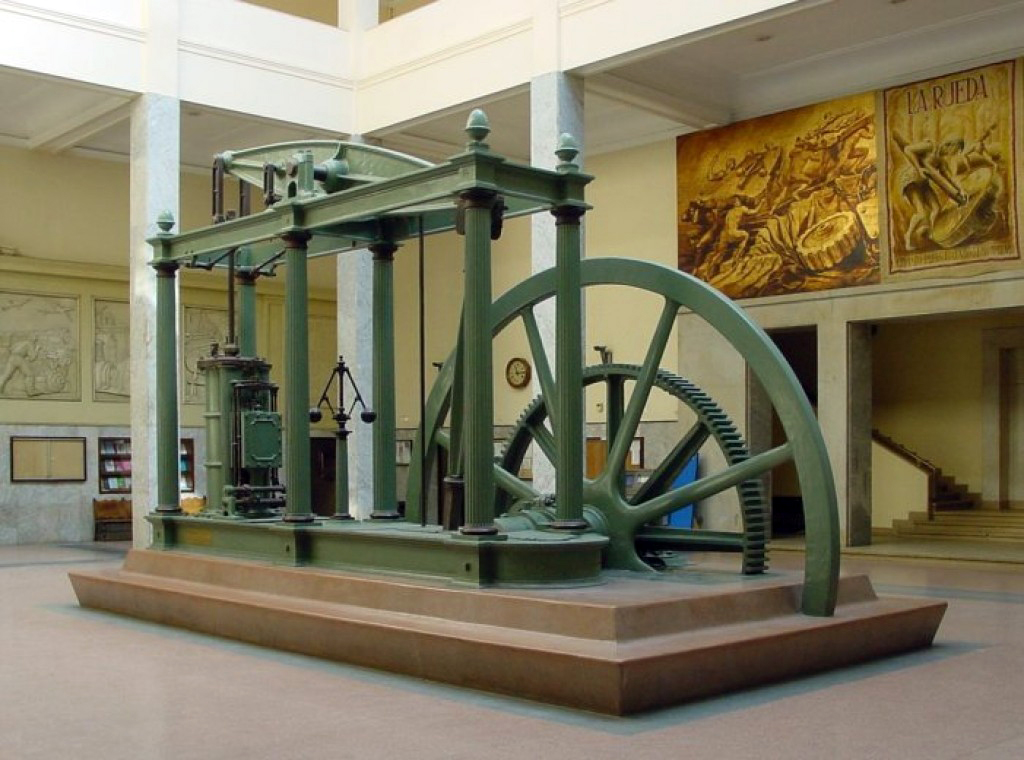
James Watt is known best for improving upon the Newcomen steam engine created by Thomas Newcomen. Watt added a condenser to the steam engine which made it more efficient to run. It also made it more practical to use. James Watt also developed the idea of the horsepower, which is a measurement of power. The power unit known as the watt was named after James Watt as well.


Edmund Cartwright
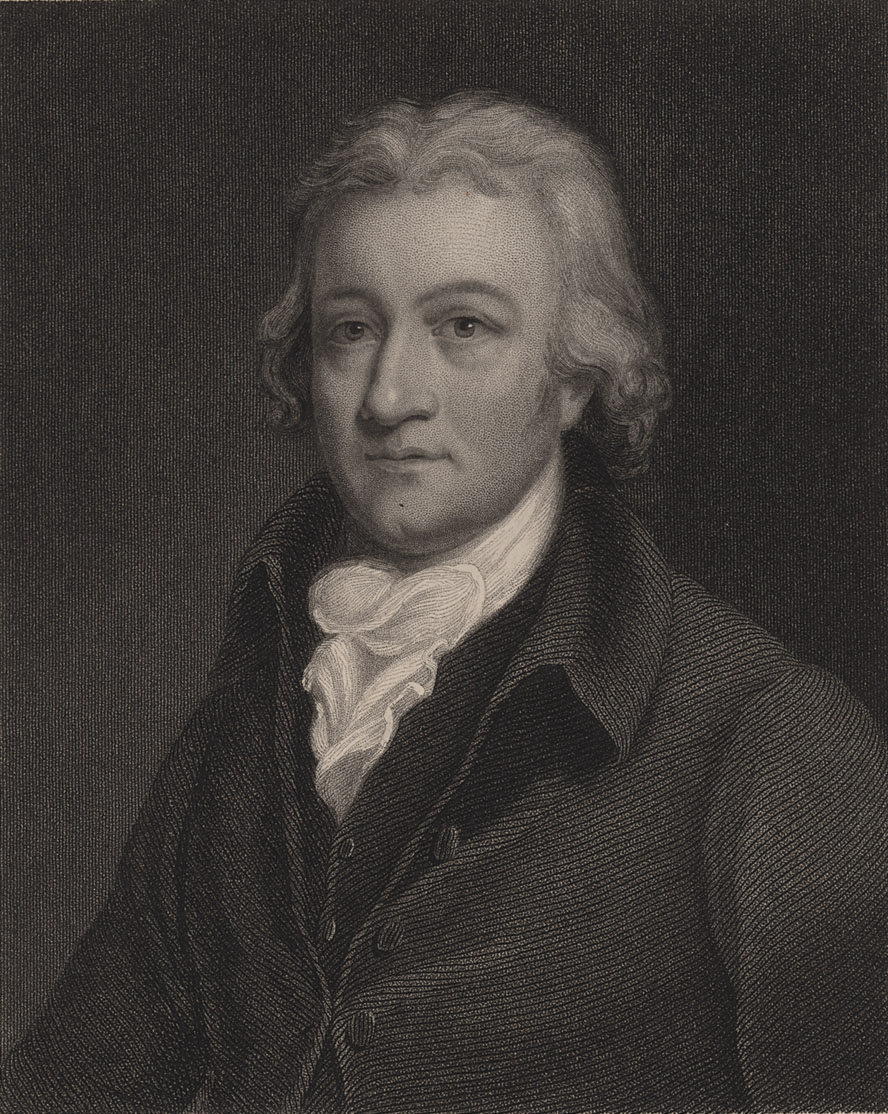
Edmund Cartwright was a member of the clergy, but most importantly he invented the power loom in 1784. It was a mechanical loom that wove thread into cloth. The power loom made it much easier to weave fabric manually by hand. Cartwright designed the first model and it was improved upon continuously until it was fully automated.

Monday, February 14, 2011
Introduction
Chapter 22 is about the Industrial Revolution. The Industrial Revolution was a period in European history where modernization took place and when goods started to be mass produced with machines. The Industrial Revolution started in England and then spread across Europe, with many of the inventions being created in England. Inventions were developed that made making products easier, faster, and cheaper.

Chapter Objective: Through this blog, I would like to show how the Industrial Revolution changed the way the modern world functions today, and how we got to where we are today in industry.
Essential Question: Was the Industrial Revolution beneficial to the average family?
Answer: Most families had to move to the cities if they did not already live there so they could work in the factories. Children were forced to work in factories most of the time since there were no laws that protected child labor until 1833. Children were not well educated because they had to go to work to help support their family. The Industrial Revolution benefited families by giving them more income and sometimes they worked together, but the children were in great danger working and it was not very beneficial.

Chapter Objective: Through this blog, I would like to show how the Industrial Revolution changed the way the modern world functions today, and how we got to where we are today in industry.
Essential Question: Was the Industrial Revolution beneficial to the average family?
Answer: Most families had to move to the cities if they did not already live there so they could work in the factories. Children were forced to work in factories most of the time since there were no laws that protected child labor until 1833. Children were not well educated because they had to go to work to help support their family. The Industrial Revolution benefited families by giving them more income and sometimes they worked together, but the children were in great danger working and it was not very beneficial.
Subscribe to:
Posts (Atom)